
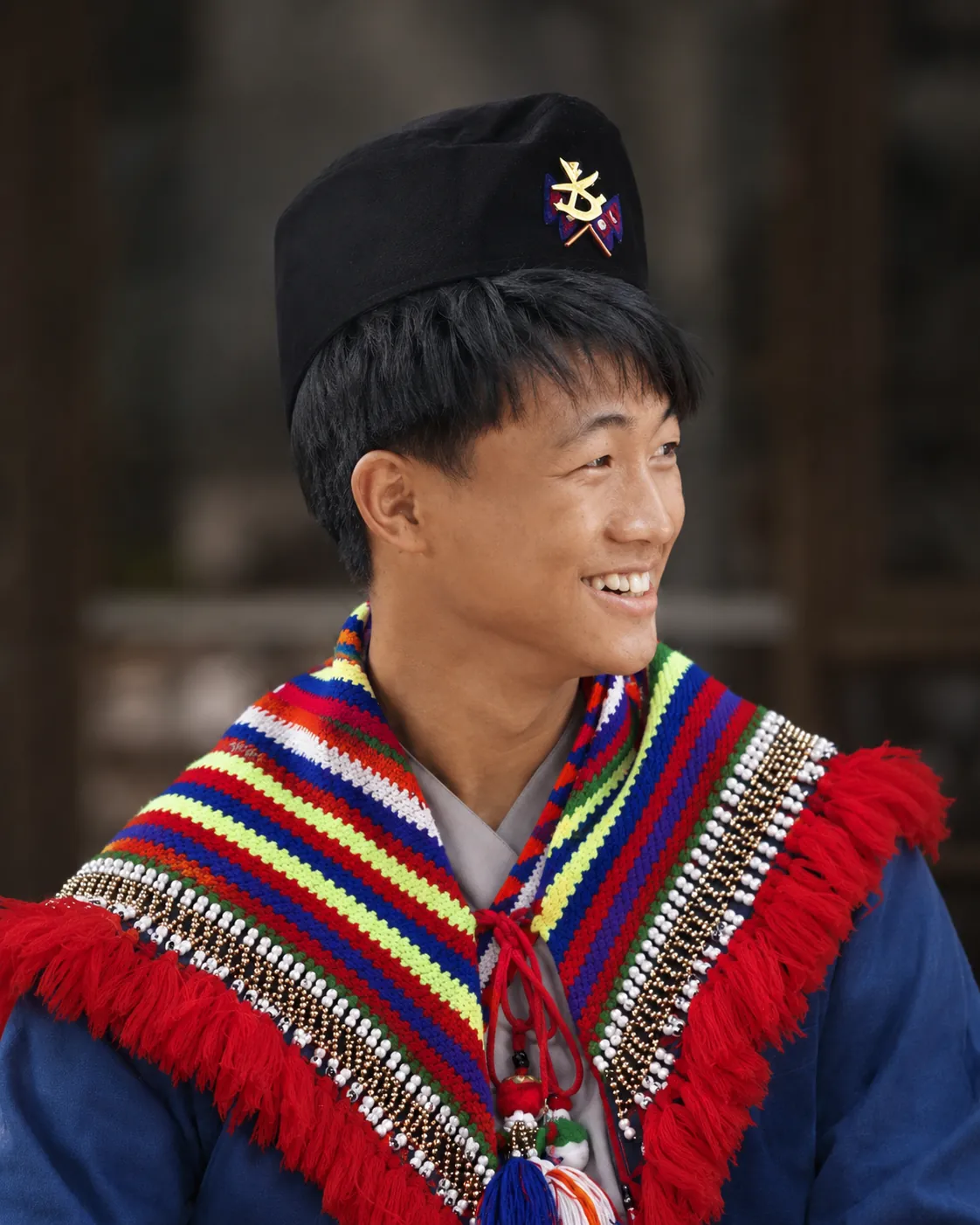
Traditional dress can carry stories about community, memory, celebration, and identity. Among Sunuwar communities, cultural clothing and ornament are part of a wider living heritage that includes language, music, ritual, food, family traditions, and relationships with place.
The photograph in this article presents a contemporary cultural portrait. Clothing traditions can vary by family, locality, occasion, and historical period, so no single photograph should be treated as the only correct form of Sunuwar dress.
Heritage is more than clothing
Cultural dress is most meaningful when it is understood together with the people who wear it. Names of garments, methods of making them, the occasions on which they are worn, and the stories elders tell about them are all important parts of documentation.
Photography can support preservation
Well-captioned photographs can help younger generations learn about clothing and ornament while giving communities a way to record change over time. Good cultural photography should identify information carefully, ask permission where appropriate, and avoid presenting people as costumes or objects.
Keep community knowledge connected
Digital archives, websites, interviews, and local-language materials can help preserve knowledge, but community members should remain central to how their culture is described. When details are uncertain, it is better to consult knowledgeable elders and cultural organizations than to guess.
Karnali Express welcomes respectful photo stories that document Nepal's diverse cultural heritage with accurate context and community voices.